Posts

Showing posts with the label HYDRANGEA PANICULATA

WEBWORMS ON PANICLE HYDRANGEAS
Image
In July, I wrote about webworms (Hyphantria cunea) on panicle hydrangeas. For the past several weeks , the second generation has been active in my neck of the woods. And boy, are they active! It seems every day they form new webs where none were the previous day. That will continue through October or until the first killing frost. Ugly doesn’t come close to what the plant looks like when these beasties are at work.

PANICLE HYDRANGEAS ON PARADE

Image
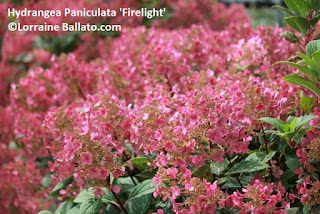
I have been roaming around these past few weeks, visiting open gardens throughout my local area. The panicle hydrangeas have been just glorious in every garden I have seen with their undeniably spectacular flowers and form. Not to mention the impressive flowers of oak leaf hydrangeas are showing their magnificent colors as well.

HYDRANGEAS AND FALL WEBWORMS

Image
Look what I found on several of my PG hydrangeas: FALL WEBWORMS! FALL WEBWORMS ON HYDRANGEA PANICULATA First time in 28 years these beasties have shown up. Don't know if it's because of our unique summer conditions, or some other plant that had them and they migrated over, but now that they are here, what should I do?

HYDRANGEA PANICULATA 'LIMELIGHT'

Image
Hydrangea paniculatas including 'Limelight' are in full bloom in my part of the U.S. right now. And the reblooming big leaf hydrangeas like Let's Dance® Rhythmic Blue® continue to produce their repeat blooms like the one in this photo . Fortunately, we have had generous unprecedented mid-season rain that has helped to keep all the flowers coming and colorful.

FEED ME!

Image
The plant "Audrey" from "Little Shop of Horrors" Credit: Wiki Did your hydrangeas whisper "Feed Me" as you admired them today? If not, they should have because it's high time to fertilize your hydrangeas. Although their needs are similar, you fertilize each a bit differently, so let's take them one by one. Your bigleaf hydrangeas ( macrophyllas ) and mountain ( serrata s) should be flowering by now and if they are rebloomers, need encouragement to set up those second set of buds. If they are not rebloomers, they will soon set their buds for next year, so get busy and give them a little love. What might that be? A b asic tree/shrub product with an NPK ratio of 3-1-2, 6-2-4, etc. You might be surprised to learn that rose fertilizer is ideal. Here's just one you might see at a garden center.  Try to avoid using something like 10-10-10 or even 5-5-5. No plant uses nutrients in equal amounts and add...
Image
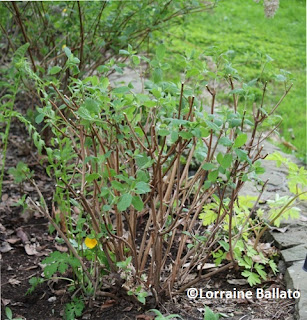
LAST CALL TO PRUNE NEW WOOD FLOWERING HYDRANGEAS     This is your last call to prune new wood flowering hydrangeas. If you haven't cut back your hydrangeas that bloom on this year's stems -- your new wood bloomers -- you are running out of time. We're talking about 'Annabelle' hydrangeas, and all those beautiful Invincibelle ® Spirits, Incrediballs ® , and other hydrangea arborescens. Don't forget your hydrangea paniculatas like  Quick Fire ® , and Pinky Winky ® .   By now they have broken dormancy just about everywhere and are setting up their flower buds for this year like this 'Annabelle' New wood blooming hydrangeas breaking dormancy should be pruned NOW. or this 'Limelight'. If your hydrangea paniculatas look like this, you better hurry to cut them back!   So get out there and make the right cuts to shape those plants and keep them healthy. BUT, if you can't get around to it with graduations an...

TIME TO PRUNE NEW WOOD HYDRANGEAS

Image
Yes, it's time to prune new wood hydrangeas. Now that it is mid spring and your hydrangeas are dormant or just beginning to leaf out, this is the time to get those clippers out for some of them. When I say some, I mean those that bloom on new wood, the growth they will put on in the current season. In the late fall when they still have their leaves, wait until they are leafless and have gone completely dormant before you cut them. You can also do this pruning in winter when they are fast asleep. It is critical for pruning new wood hydrangeas that you wait until all growth has stopped in the current year. That's because pruning always stimulates a plant. If you prune while there are still leaves on that plant, it will continue to grow and possibly start producing the buds for flowers you want next year. That means in a cold winter climate those flowers might not survive and you will be the one to blame for that. Just wait it out and let the plan...